


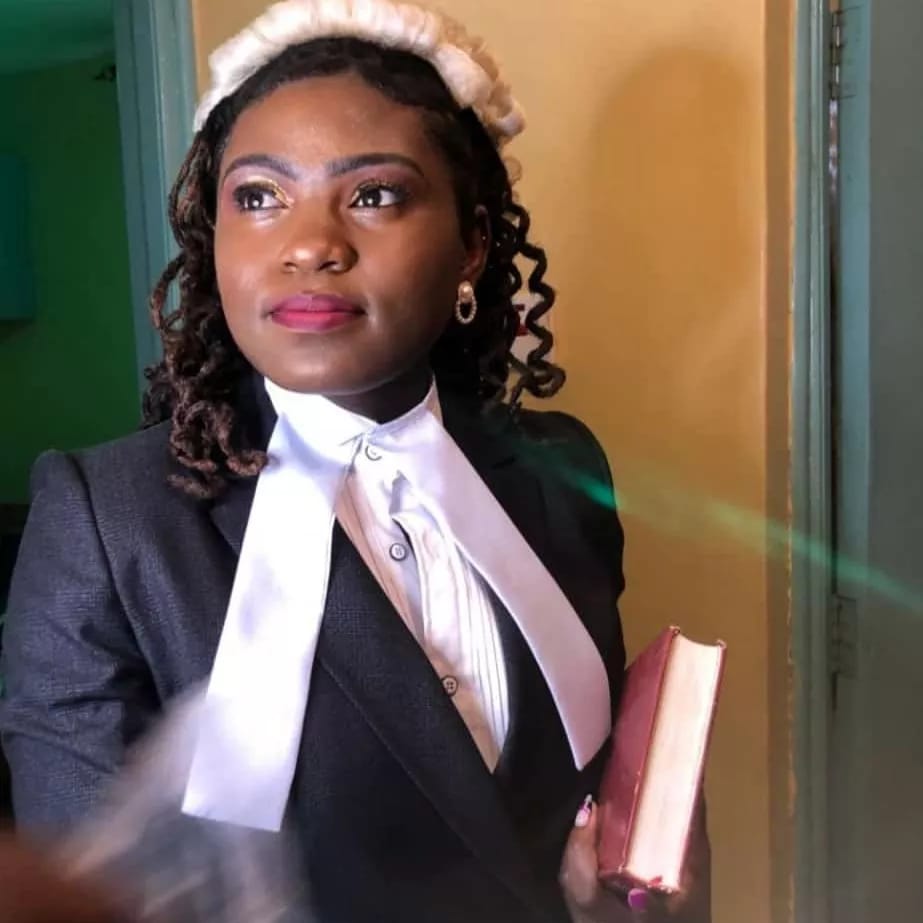
Optiven Limited joined the rest of the world in observation of the International Day for Women Judges held on the 10th of March 2026 under the theme: “Women Judges on the Bench and Beyond: Protecting Access to Justice”. The goal for this year’s observation is celebrating progress in representation while recognizing the work needed for gender equality in judiciaries. The day also highlights the impact of women judges on enhancing the legitimacy of courts.
The Optiven Point interviewed Ms. Nafula Masinde, Legal Counsel at the Optiven Legal Office on steps to empower women acquire tenure and inherit in matters real estate.
Are women protected when it comes to land ownership in Kenya?
- Yes, women are protected by several national laws such as the Constitution of Kenya 2010, the Law of Succession Act, the Community Land Act 2016, the Land Act 2012, and the Land Registration Act 2012, among others. These laws guarantee equality before the law and seek to eliminate discrimination in matters relating to land ownership, inheritance, and access. Kenya is also bound by international instruments that form part of Kenyan law under Article 2(6) of the Constitution.
- These include the Convention on the Elimination of All Forms of Discrimination Against Women and the International Covenant on Civil and Political Rights, which promote equality between men and women and require states to eliminate discrimination, including in access to property and land. These legal frameworks promote one key principle: equality between men and women and equal access to land ownership.
What are your perspectives on women and ownership of land in Kenya?
- Despite these legal avenues, women’s actual ownership of land remains low. It is estimated that less than 30% of women are registered landowners in Kenya. The lack of land registration in women’s names exposes them to both social and economic disadvantages. Cultural and social norms also contribute significantly to this inequality.
- In many communities, daughters are discouraged from inheriting family land because it is assumed, they will eventually marry and gain access to land through their husbands. As a result, women are often excluded from inheritance or pressured to relinquish their claims in favor of male relatives. Certain legal provisions also create challenges.
- For instance, under the Matrimonial Property Act 2013, spouses must prove their contribution in order to claim a share of matrimonial property during divorce. Similarly, under the Law of Succession Act, a divorced woman who remarries may lose certain inheritance rights from her former husband’s estate.
What are the challenges faced by women in the process?
- Women face difficulties accessing justice due to the high cost of legal processes. Historical economic inequalities make it difficult for women to pursue legal remedies when their rights are violated. Lack of awareness is another major challenge. Many women are not fully aware of the land rights available to them under the law due to illiteracy, limited access to legal information, and deeply rooted patriarchal norms. In some cases, these social structures have led to the internalization of gender inequality, where discriminatory practices are accepted as normal.