



As the world celebrates the International Day for Sign language today, Optiven looks at the great opportunity available for those living differently with this challenge. The day is celebrated on September 23rd, and the 2026 theme is: “Declaring Deaf People’s Human Rights” with the aim of promoting full access to national sign languages and protecting the human rights and linguistic identity of deaf communities. The observation normally is preceded by the International Week of Deaf People which was observed from September 21 to 27, this year.
The 2026 marks the 75th anniversary of the founding of the World Federation of the Deaf (WFD) in 1951, and 20 years of the UN Convention on the Rights of Persons with Disabilities (CRPD). Over 70 million deaf people worldwide use more than 300 different sign languages. The Optiven Point spoke to Dr. George Wachiuri, the Chairman of the Optiven Foundation and CEO at Optiven Group on matters sign language.
How Sign Language Users Can Confidently Invest in Real Estate?
Real estate remains one of the most reliable vehicles for wealth creation and long-term financial security. However, for sign language users, navigating property markets can often feel like an uphill battle due to structural communication barriers. Historically, complex transactions, heavy reliance on oral negotiations, and a lack of inclusive customer service have sidelined sign language users from mainstream investment opportunities. A shifting corporate landscape is beginning to dismantle these barriers. Modern real estate developers are recognizing that financial inclusion requires intentional accessibility. Optiven has emerged as a key player in simplifying land ownership, making the market highly accessible to diverse demographics, including local and diaspora investors who communicate through sign language.
What tools does Optiven provide to aid investors who use sign language?
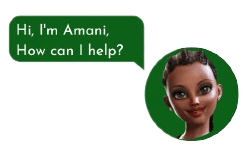
One of the most significant advantages for sign language users in the current market is the digital transformation of the property acquisition process. Traditional real estate models relied heavily on phone calls and face-to-face spoken interactions. Today, platforms like the Optiven Digital Property Portal rely heavily on visual and written communication. Features like the automated digital property advisor, Amani, allow investors to inquire about available land, track project availability, view interactive maps, and review pricing frameworks completely through text.
Are there ways sign language users can benefit from using technology in investing in real estate?
By prioritizing clear visual data and written confirmation, the need for spoken dialogue is minimized, putting these investors on an equal playing field. Furthermore, transparency in legal documentation eliminates the ambiguity that often breeds anxiety during high-stakes investments such as in real estate.
How can sign language users be protected from fraud when investing in real estate?
When developers align internal operations with transparent verification standards, it protects investors from fraud. Navigating a transaction from the Optiven investment guide to the final signing of the offer letter – the process is executed through structured text, meaning sign language users can systematically review terms, engage their own legal counsel, or work alongside a professional sign language interpreter without missing critical details.
Welcome to invest with Optiven where we take care of all our investors and especially those that depend on sign language to communicate.
Call us: 0790 300300 / 0723 400500
Email: info@optiven.co.ke
https://www.optiven.co.ke/properties/
Leave A Comment
You must be logged in to post a comment.