


Picture a Saturday morning with no traffic, no neighbor’s wall in sight, and nothing ahead of you but rolling hills. For a growing number of buyers, that picture is no longer a holiday fantasy. It is the home they want to build. That is the quiet shift behind the growing interest in off-grid living, and it is changing what many people mean by luxury.
For decades, success in property meant a city address, close to the office, the mall, and the school run. That thinking is shifting. Cities are more crowded, remote work has loosened the daily commute for many professionals, and people are asking not only where they can live, but how they want to live. Professionals, families, and retirees are exploring homes that depend ssssless on public infrastructure and more on their own land, resources, and design choices.
Luxury Is Being Redefined
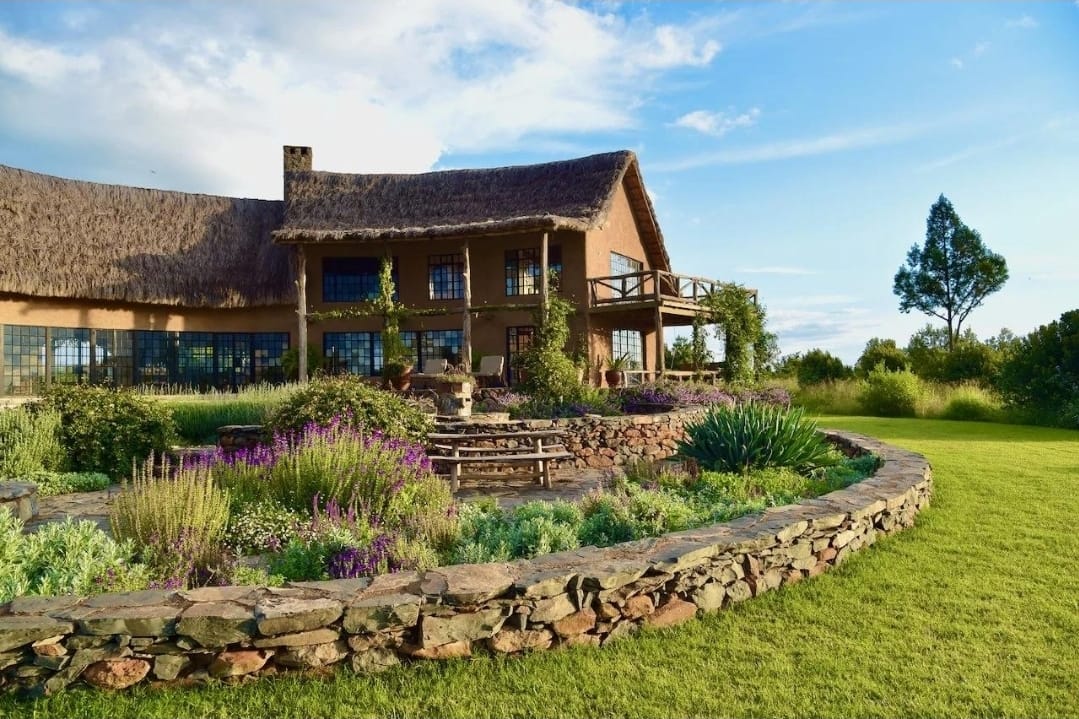
A prestigious address and a high-end apartment once defined luxury. Today, many buyers measure it differently: five acres of private land, mornings that open onto green landscapes, and the freedom to design a home from the ground up. For them, luxury means room to breathe, and a real break from the pressures of city life. This does not mean city property is losing value. It means a new kind of buyer has appeared, one who weighs lifestyle alongside investment returns.
Why People Are Moving Away From the City
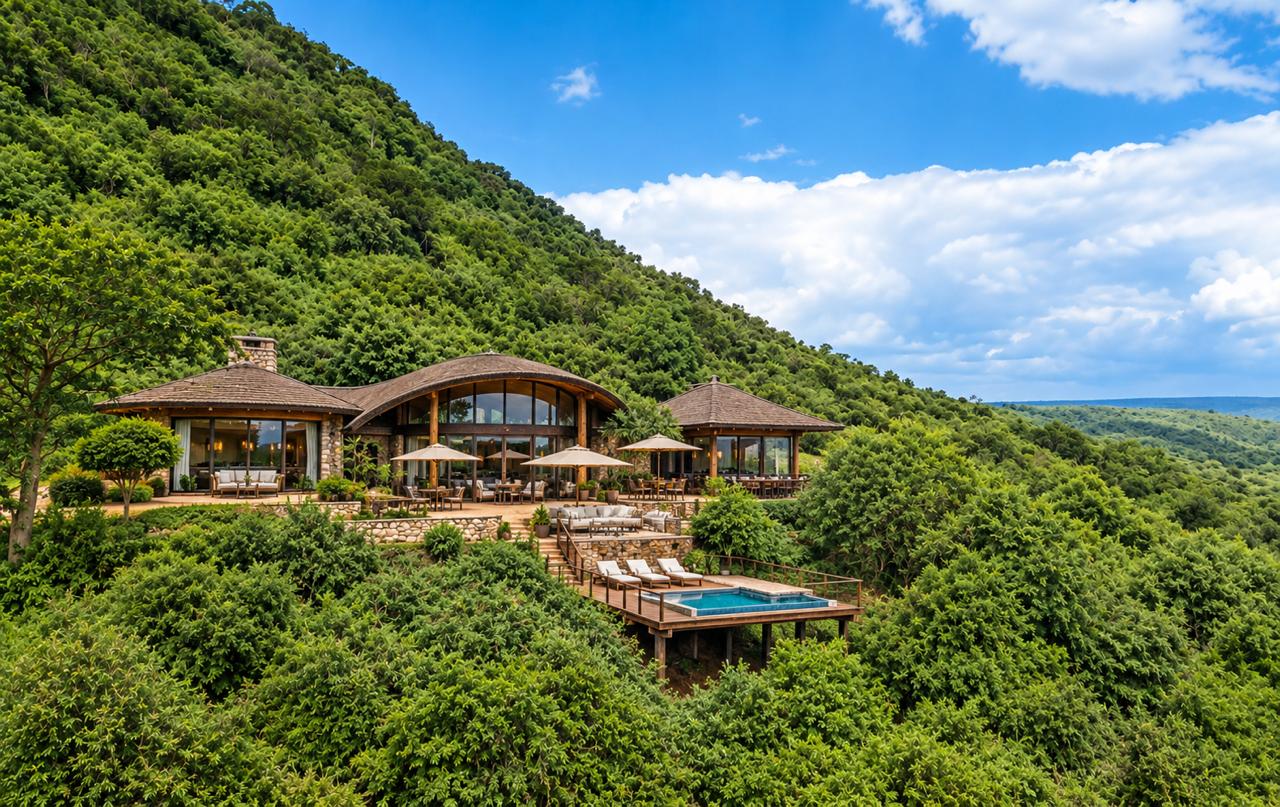
Off-grid living simply means depending less on public utilities, through solar power, an independent water supply, rainwater harvesting, and sustainable waste management. So what is pulling people out? Four reasons come up again and again.
- Crowding and lost privacy. As cities expand, demand for land around them keeps climbing. Neighborhoods become more crowded, and many homeowners end up with little outdoor space and less privacy. Land beyond the city lets owners create gardens, outdoor entertainment areas, private recreation spaces, and a residence that reflects their own taste.
- Natural habitat and quiet. City life brings packed schedules, traffic congestion, work pressure, and constant digital noise. Beyond the city, homes sit within natural habitat of green spaces, fresh air, natural vegetation, and open views, and quiet is part of the appeal. Without traffic and crowds, people can rest and recharge, and many now see a slower pace as essential to their wellbeing.
- Rising costs and uncertainty. Rising utility costs and an uncertain economy have made homeowners more careful with their resources. Producing your own power and collecting your own water gives a level of control over monthly expenses that city living rarely offers.
- Work and technology that make it possible. A reliable internet connection now lets many professionals work far from the office, and efficient solar panels, battery storage, and modern water-management systems mean leaving the city no longer requires giving up comfort.
Together, these reasons explain why more people are choosing to live beyond the city, whether in a retirement home, a weekend retreat, or a permanent residence, while staying within reach of essential urban amenities.
Mage Farm: Five Acres Within Reach of Nairobi
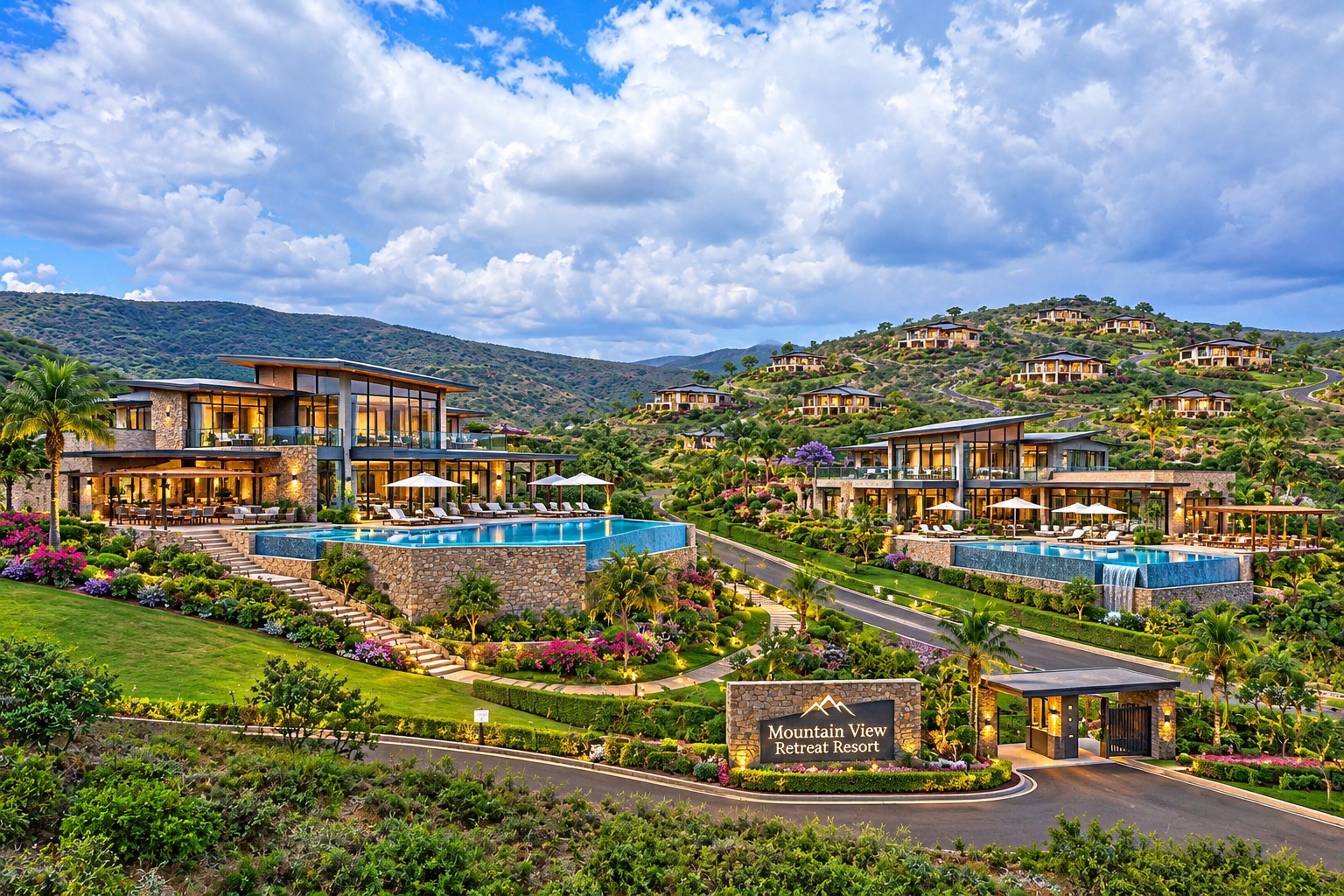
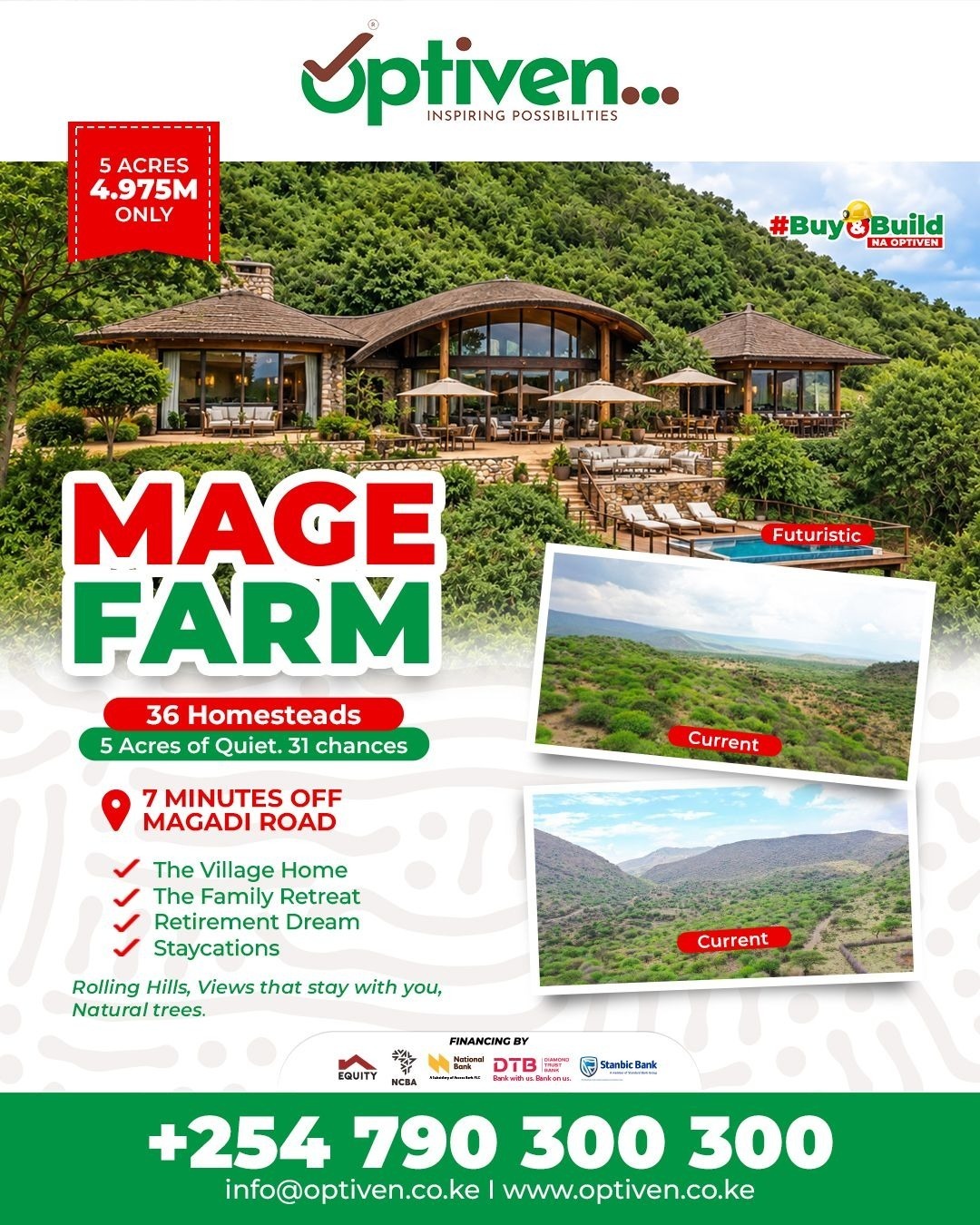
- Mage Farm by Optiven shows what this looks like in practice. Located in the Kipeto area along Magadi Road, it is built around a simple idea: 36 Homesteads. One Village. Each homestead sits on a five-acre portion. Owners are not buying into a crowded subdivision. They are joining a village of 36 homesteads, each with the room to build, plant, and live on its own terms.
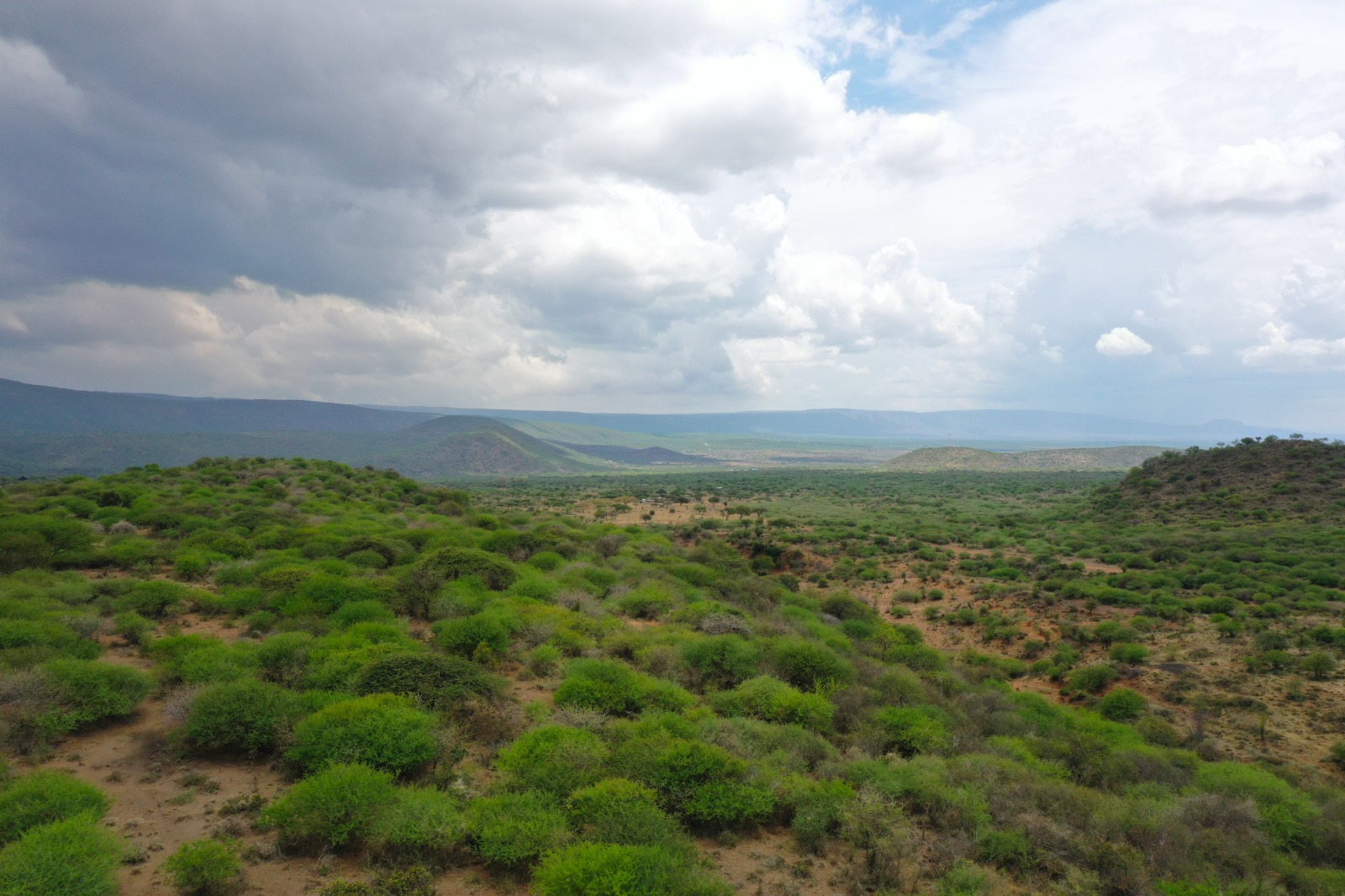
- Unlike developments that favor smaller plots and higher density, Mage Farm gives owners the space to shape a property around their own plans. Rolling hills, indigenous trees, and scenic views set the backdrop, while the location stays connected to Nairobi’s wider urban life. The farm is about an hour from Karen and just seven minutes off Magadi Road, a balance between accessibility and life beyond the city.
- Five acres leaves ample room for solar installations, water harvesting, gardens, and sustainable systems, so an off-grid design is realistic here. It also suits different visions: a permanent family residence, a retirement home, a weekend retreat, or an estate to pass down.
Buying With the Long View
- Land has long been linked to wealth preservation and security across generations. A homestead can be a gathering place for celebrations and recreation, and an asset that future generations inherit and develop. Families gain space for outdoor activities, while individuals gain privacy and freedom. For many families, a larger parcel is a plan as much as a purchase. It can serve a household for years, from weekend gatherings today to a permanent home when the time is right.
- Even so, a sound purchase starts with homework. Before you commit, check the location, access, title documentation, infrastructure, and future development potential. Visit the land, ask for the documents, and take your time.
- The future of residential property may not be decided by proximity to the city alone. For many buyers, the real aspiration is the freedom to build a home that reflects their lifestyle, values, and long-term ambitions.
MAGE FARM: 36 HOMESTEADS. ONE VILLAGE.
- Call us: 0790 300300 / 0723 400500
- https://www.optiven.co.ke/mage-farm-by-optiven/
Where exclusivity meets the freedom to live differently.

Leave A Comment
You must be logged in to post a comment.